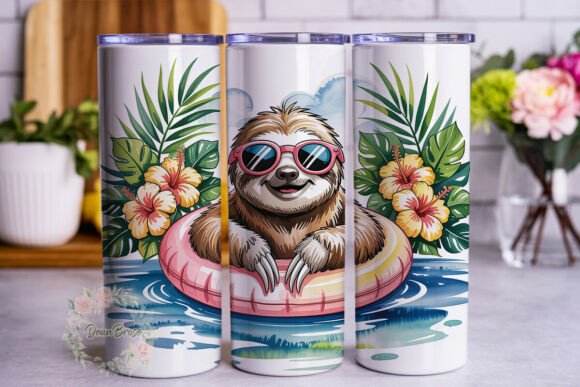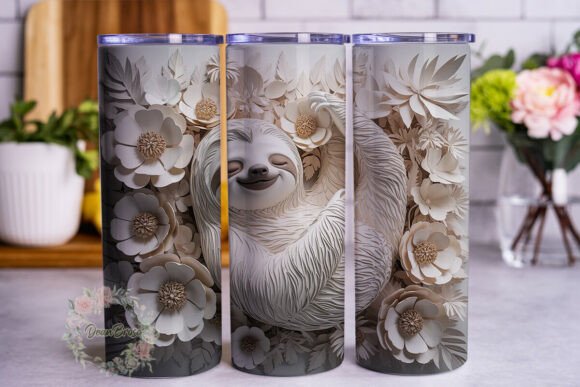
Sleeping Sloth Paper Art 20oz Tumbler Design Review
As a designer who spends more time staring at stitch maps than most people care to admit, I approach every new machine embroidery design with a mix of excitement and skepticism. We have all been there: you buy a file based on a pretty thumbnail, only to find out the stitch density is too high for the fabric or the details vanish once the thread pulls tight. Recently, I took a close look at the Sleeping Sloth Paper Art 20oz Tumbler graphics to see how they translate from a digital screen to a tangible, stitched reality. While the product listing specifies these are high-resolution PNG files intended for Tumbler Wraps, my mind immediately went to how this aesthetic could be adapted for physical textile projects.
The Visual Mood and First Impressions
The first thing that strikes me about the Sleeping Sloth Paper Art 20oz Tumbler asset is its gentle, whimsical mood. The "paper art" style suggests layered textures and soft shadows, which is a fantastic starting point for embroidery. In the world of Graphics, this look often relies on gradients and subtle opacity changes. For us stitchers, the challenge—and the opportunity—lies in replicating that depth using thread. The dimensions provided, 9.3″ x 8.2″, indicate a large-scale image. In embroidery terms, this is substantial. It is not a tiny chest logo; it is a statement piece suitable for the back of a jacket, a large tote bag panel, or a decorative pillow cover.
The theme of a sleeping sloth naturally evokes feelings of relaxation and comfort. This makes the design an ideal candidate for baby embroidery projects, nursery decor, or loungewear. When I visualize this stitched out, I imagine using a combination of satin stitch for the smooth outlines of the sloth and a textured fill stitch to mimic the fuzzy, layered look of the original paper art style. The visual personality is calm and inviting, which is exactly what customers look for in a personalized gift.
Real-World Application Scenarios
Let's move beyond theory and talk about where this design actually shines in a craft business setting. Imagine a client comes to your small shop product line asking for a unique baby shower gift. A standard onesie is cute, but a hooded towel or a plush blanket featuring this large-scale sloth design elevates the item into a heirloom-quality piece. Because the source file is a high-resolution 300 DPI PNG, you have the clarity needed to trace or digitize the elements accurately for an embroidery project.
Another strong use case is in custom apparel. Think about the current trend of oversized, cozy sweatshirts. Placing this design on the back of a heavyweight fleece sweatshirt embroidery project would create a stunning boutique item. The size of the graphic allows for significant detail, meaning you aren't forced to simplify the character too much. For an Etsy seller, this kind of distinct, high-quality imagery helps listings stand out in a crowded marketplace. It moves away from generic clipart and offers something that feels curated and artistic.
I also see potential for home goods. A kitchen tea towel or an apron featuring this sleeping sloth could be a hit for holiday gifts. The "paper art" aesthetic translates beautifully to linen or cotton canvas, where the texture of the fabric complements the stitched layers. If you are creating an embroidered patch for a backpack or hat, the clear lines of the design would hold up well, provided you manage the underlay correctly to prevent puckering on such a large area.
Technical Considerations for Stitching
Here is where we need to be realistic. The Sleeping Sloth Paper Art 20oz Tumbler files are sold as print-ready PNGs, not pre-digitized embroidery files. This is a crucial distinction. You cannot load a PNG directly into your machine. You must digitize it yourself or hire a digitizer. This gives you control, but it also requires skill. When converting this specific style, pay close attention to thread colors. Paper art often uses subtle shifts in hue to create shadow. In thread, you might need to use variegated thread or carefully planned color blocks to achieve the same effect without ending up with hundreds of thread trims.
Stitch density is another major factor. A 9-inch wide design can easily become a stiff board if you over-fill it. For wearable items like t-shirts or baby clothes, you must keep the density lower and use a good quality stabilizer. I recommend testing the design on scrap fabric first. Try it on a knit for a sweatshirt and a woven for a tote bag to see how the fabric reacts. Textured fabrics can sometimes hide minor stitching imperfections, but they can also make fine details muddy. If you are working on a dark fabric, ensure your digitizing includes a solid underlay to make the colors pop, just as they do in the high-res preview.
Be cautious with small details. The original graphic might have tiny textural elements that look great at 300 DPI but will turn into a bird's nest of thread if stitched too small. If you plan to resize the design for a cap or a smaller pocket, you may need to simplify some of the internal details. Always check whether the design works for both personal and commercial projects before selling. Since the product description notes the files do not include watermarks, you have a clean canvas to work with, but you must confirm the licensing terms regarding derivative works (like turning a print graphic into a stitch file) before offering finished items for sale.
Enhancing Brand Value and Customer Trust
Using high-quality source material like the Sleeping Sloth Paper Art 20oz Tumbler directly impacts your brand consistency. When customers receive a finished product that looks professional and thoughtful, it builds trust. They aren't just buying a stitched item; they are buying a piece of art. The clarity of the original 300 DPI file ensures that when you create printable mockups for your online store, the images look crisp and appealing. This visual appeal drives buyer engagement.
For commercial embroidery projects, consistency is key. If you decide to make this sloth a signature item in your collection, having a reliable source image means every digitized version you create will maintain the same core proportions and charm. Whether it is a holiday embroidery ornament or a year-round bestseller, the versatility of the design allows it to fit various seasons simply by changing the thread palette. A pastel palette suits spring and babies, while earth tones work perfectly for autumn decor.
Final Verdict for Makers
The Sleeping Sloth Paper Art 20oz Tumbler is more than just a sublimation wrap; it is a robust design asset for the creative entrepreneur willing to put in the digitization work. Its large scale and charming subject matter make it incredibly versatile for tote bag design, wall hangings, and statement apparel. However, success depends on your ability to translate those paper-texture visuals into thread. Test your hoop size capabilities, respect the fabric limitations, and don't rush the digitizing process. If you treat this graphic as a foundation for a custom applique design or a detailed fill project, it has the potential to become a standout item in your portfolio. Just remember to verify all license details regarding commercial use of derived embroidery files before launching your new product line.