Cute Teacher Appreciation 20oz Tumbler Design Review
As a designer who spends more time staring at stitch maps than most people care to admit, I approach every new machine embroidery design with a healthy dose of skepticism. We have all been there: you buy a file based on a pretty thumbnail, only to find out the satin stitches are too wide for the lettering or the density turns your fabric into cardboard. That is why I took a close look at the Cute Teacher Appreciation 20oz Tumbler graphics before committing them to a real-world project. While this product is technically listed under Tumbler Wraps and Graphics, my interest lies in how these visual assets translate into tangible, stitched value for a craft business.
First Impressions and Visual Personality
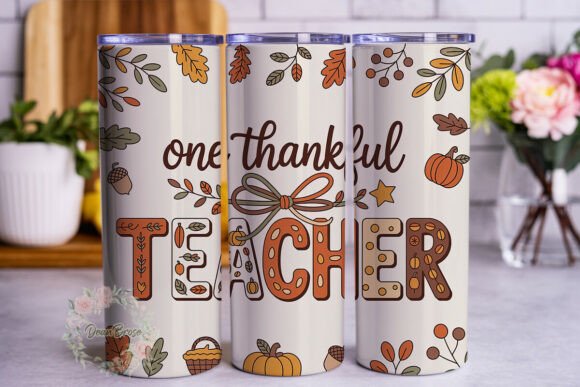
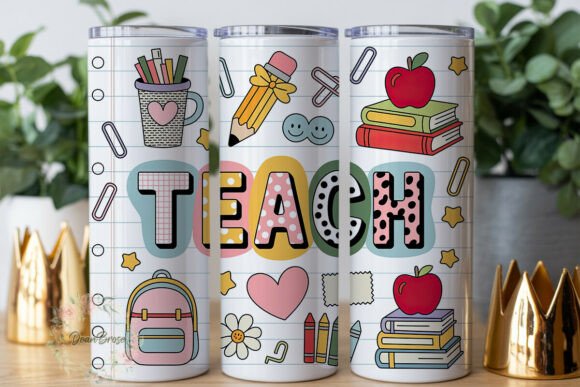
When I first pulled up the files for the Cute Teacher Appreciation 20oz Tumbler, the immediate takeaway was the clarity of the layout. The dimensions provided—9.3″ x 8.2″ at 300 DPI—suggest a high-resolution source image, which is critical when you are trying to digitize or trace elements for embroidery. A blurry PNG is a nightmare for any digitizer trying to distinguish between a fill area and a running stitch outline. Fortunately, the clean lines here suggest a design that would translate well into a digital embroidery file with minimal cleanup.
The mood of the design is undeniably cheerful and professional without being childish. For teacher gifts, there is often a fine line between "cute" and "condescending." This design hits the sweet spot. It feels like something a parent would want on a high-end tote bag or a boutique sweatshirt, rather than a cheap party favor. The visual personality suggests warmth and gratitude, making it an ideal candidate for a personalized gift that carries emotional weight.
Real-World Application: The Boutique Tote Scenario
To truly test the viability of this asset, I imagined a specific scenario: a small shop owner preparing for the end-of-school-year rush. They need to produce fifty custom tote bag designs for a local PTA fundraiser. The goal is to create a handmade product that looks expensive but can be produced efficiently.
In this context, the Cute Teacher Appreciation 20oz Tumbler graphic serves as the perfect blueprint. If I were digitizing this for embroidery, I would likely convert the main illustrative elements into a mix of satin stitch for the borders and text, and a lighter fill stitch for any larger graphical areas to prevent puckering on canvas bags. The composition of the original graphic is balanced, meaning the resulting embroidered patch or direct-to-garment stitch-out would sit perfectly centered on a standard 15x15 inch tote.
For an Etsy seller, this versatility is gold. You aren't just selling a tumbler wrap; you are selling a brand identity that can be applied to custom apparel, sweatshirt embroidery, or even kitchen towels. The design's simplicity ensures that it remains legible even when scaled down for a hat or scaled up for a blanket.
Technical Considerations for Stitching
However, moving from a PNG graphic to a stitched finished product requires careful planning. Since the source files are images and not native embroidery formats, you must consider how the design interacts with different materials. Here are the critical factors I noted during my evaluation:
- Fabric Texture: On textured fabrics like Terry cloth or heavy canvas, fine details from the original graphic might get lost. You may need to simplify small elements or increase the width of running stitches.
- Stitch Density: If you are recreating this design, be wary of creating areas with excessive stitch density. High density on stretchy fabrics like jersey knits (common in teacher tees) will cause the garment to warp. Always use a high-quality cut-away stabilizer for these projects.
- Thread Colors: The original graphic likely uses specific shades to convey its mood. When selecting thread colors, ensure there is enough contrast between the design and the garment. A light yellow element might disappear on a white apron but pop beautifully on navy blue.
- Small Details: Tiny lettering or intricate corners in the graphic may need to be adjusted. In embroidery, very small text often needs to be converted to a column stitch or slightly enlarged to remain readable after stitching.
Navigating Challenging Surfaces
While the design is labeled for a 20oz tumbler, applying this aesthetic to curved surfaces like caps requires extra caution. The curvature of a cap front can distort wide designs. If you plan to use this motif for holiday embroidery on hats, consider breaking the design into smaller sections or using a foam backing to give the stitches dimension and prevent sinking into the fabric.
Furthermore, if you are aiming for a baby embroidery project, such as a onesie or bib, the stiffness of the final product matters. Parents want soft items. In this case, you might opt for an appliqué technique using the graphic as a template, which reduces the amount of thread on the baby's skin while maintaining the visual appeal of the Cute Teacher Appreciation 20oz Tumbler theme.
Commercial Value and Brand Consistency
For commercial embroidery professionals, consistency is key to building trust. Using a high-quality source graphic ensures that every item leaving your shop looks identical. Whether it is a printable mockup for your online store or the actual stitched item in a customer's hand, the quality of the underlying design dictates the perceived value.
This specific design asset offers strong potential for brand consistency. Because it is clean and thematic, it can be easily adapted across a entire product line. Imagine offering a matching set: a tumbler with the printed wrap, a tote bag with the embroidered version, and a keychain fob with a miniaturized patch. This kind of cross-product branding elevates a small shop product into a cohesive collection that customers are eager to buy.
Final Designer Notes and Best Practices
Before you launch into production with the Cute Teacher Appreciation 20oz Tumbler concept, here is my practical advice for ensuring success:
- Test on Scrap First: Never run a new design on your final product without testing it on a scrap piece of the same fabric. Check for registration issues and thread breaks.
- Verify Licensing: Since this is a graphic file, confirm the licensing terms before selling finished items. Ensure you have the right to use the image for craft business purposes and commercial sales.
- Check Hoop Size: Ensure your machine's hoop size can accommodate the dimensions you need. If the design is large, you may need to split it or use a jumbo hoop.
- Mockup Testing: Create black-and-white mockups to see how the design holds up without color reliance. This helps identify contrast issues early.
- Wash Testing: If the final product will be washed frequently (like aprons or tees), wash your test sample multiple times to ensure the stitches do not fray or the fabric does not pucker over time.
In conclusion, while the Cute Teacher Appreciation 20oz Tumbler starts as a digital graphic, its true potential lies in its adaptability as a foundation for high-quality embroidery projects. With thoughtful digitization and attention to material selection, it can become a standout piece in any design assets library, driving engagement and sales for makers who understand the value of a well-executed embroidery project.