Steaming Coffee Cup Silhouette: A Designer's Review
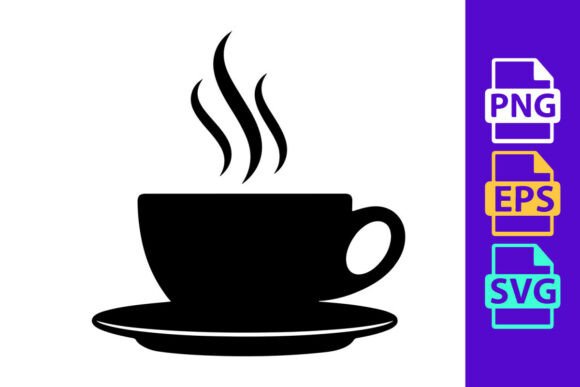
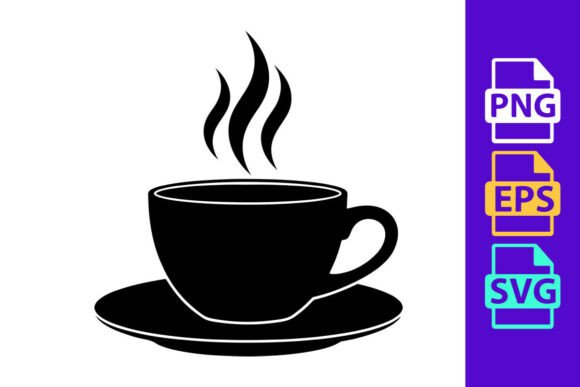
As a designer who spends more time staring at stitch simulations than actual coffee sometimes, I approach every new machine embroidery design with a mix of optimism and skepticism. When I first pulled up the Steaming Coffee Cup Silhouette - Hot Bev, my initial reaction was grounded in practicality. This isn't just a cute picture; it is a potential asset for a craft business or a personalized gift line. The listing describes it as an illustration featuring clean, bold line work, and from a digitizing perspective, that is exactly what we want to hear. Clean lines usually translate to fewer thread breaks and a crisper finished product.
First Impressions and Visual Personality
The mood of this design is immediate warmth. In the world of Illustrations and Graphics meant for embroidery, simplicity often wins over complexity. The silhouette style suggests a modern, minimalist aesthetic that fits perfectly into current home decor trends. Unlike overly detailed applique design options that require precise cutting and layering, a silhouette relies on the strength of its outline and the quality of its fill.
Visually, the "steaming" element adds a necessary dynamic touch. Without those rising wisps of vapor, a coffee cup is just a cylinder. The inclusion of steam gives the design movement, suggesting freshness and heat. For an Etsy seller looking to create a cohesive brand, this kind of visual personality is gold. It speaks to morning routines, cozy afternoons, and the universal love for a hot beverage. It feels less like a generic clip art and more like a deliberate piece of art ready to be stitched.
Real-World Application: The Tote Bag Test
To truly evaluate the Steaming Coffee Cup Silhouette - Hot Bev, I imagined a specific real-life scenario: producing a run of custom tote bags for a local café's loyalty program. Tote bags are a staple small shop product, but they present challenges due to their woven texture and potential for shifting.
In this context, the bold line work mentioned in the description becomes critical. On a canvas tote, fine running stitch details can get lost in the weave of the fabric. However, a design built with solid fill stitch areas and defined outlines should stand out beautifully. I can envision this design centered on a natural cotton bag, stitched in a deep espresso brown or a rich navy. The contrast would be sharp, making the embroidery project look professional rather than homemade in the amateur sense. It elevates the perceived value of the bag, turning a simple grocery carrier into a stylish accessory.
Beyond tote bags, this design shines on sweatshirt embroidery. The soft, fuzzy texture of fleece or French terry requires a design that doesn't get bogged down in tiny details. The silhouette format is ideal here. Whether placed on the left chest for a subtle logo effect or large on the back for a statement piece, the clean shapes ensure the design remains legible even on textured fabrics. It would also make an excellent personalized gift for a teacher or a nurse—professions that practically run on caffeine.
Navigating Technical Challenges
While the design appears robust, there are areas where a prudent embroiderer must exercise caution. The prompt mentions "clean, bold line work," but we must consider how those lines behave on difficult surfaces. For instance, if you plan to use this on a curved surface like a cap, the density of the steam elements needs scrutiny. If the stitch density is too high in those narrow, winding columns of vapor, you risk puckering the stiff front panel of the hat.
Similarly, when working with stretchy fabrics like jersey knits for baby embroidery or t-shirts, the stability of the outline is paramount. A silhouette is only as good as its border. If the outer edge relies on a thin satin column without proper underlay, it might warp after the first wash. This is why I always advise testing the embroidery file on scrap fabric identical to your final material. Check how the design handles on dark fabric versus light fabric. Sometimes, a design digitized for light backgrounds lacks the necessary pull compensation for dark garments, leading to gaps in the stitching.
Another consideration is the size. If you are aiming for a tiny embroidered patch or a small pocket detail, verify the minimum hoop size requirements. Tiny details in the steam or the handle might merge into a solid blob if scaled down too far. Always review the design at 100% zoom in your software before sending it to the machine.
Commercial Viability and Brand Consistency
For commercial embroidery projects, consistency is key. If you are selling this as part of a digital embroidery file pack or using it to create physical goods for sale, the design must perform reliably every single time. The Steaming Coffee Cup Silhouette - Hot Bev has the potential to be a bestseller because of its versatility. It fits into multiple niches: kitchen decor, office gifts, and casual apparel.
However, before listing items on your online store, you must confirm the licensing terms. Just because a design is available does not automatically grant rights for unlimited commercial use. Ensure you have the clearance to sell handmade products featuring this graphic. Once cleared, think about your presentation. Use printable mockup tools to show the design on various items before you even stitch a thread. This helps customers visualize the end result and increases buyer engagement.
Practical Notes for the Studio
Before committing to a full production run, keep these practical steps in mind:
- Stabilizer Selection: Match your stabilizer to the fabric. A cut-away is likely best for stretchy knits to prevent distortion, while a tear-away might suffice for stable wovens like twill or cotton.
- Thread Contrast: Experiment with thread colors. While brown is obvious, try a metallic gold thread for the steam to add a premium feel, or a contrasting color for the cup to make it pop against a dark background.
- Density Check: Inspect the stitch count relative to the size. If the design feels too heavy, consider reducing the density slightly in the software to save thread and reduce bulk, provided it doesn't compromise coverage.
- Mockup Testing: View the design in black and white to ensure the shape holds up without relying on color differentiation. This is crucial for single-color stitching jobs.
- Wash Testing: Always wash and dry a sample item. This reveals any issues with thread tension or fabric puckering that aren't visible immediately after hooping.
In conclusion, the Steaming Coffee Cup Silhouette - Hot Bev strikes a balance between artistic charm and technical feasibility. It is a design that respects the limitations of the embroidery machine while offering enough character to make a custom apparel piece or home good feel special. With the right preparation and attention to fabric choices, this graphic can be a reliable workhorse in your design arsenal, helping you create products that customers will cherish and wear with pride.