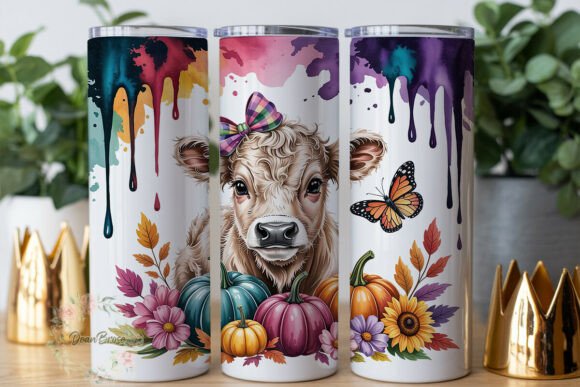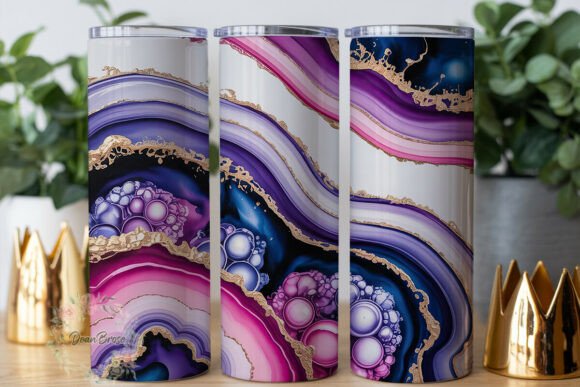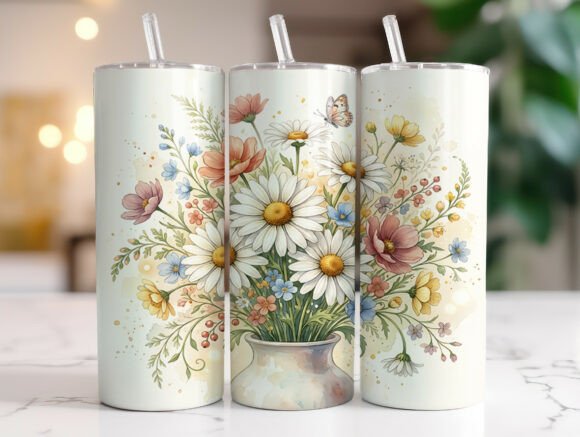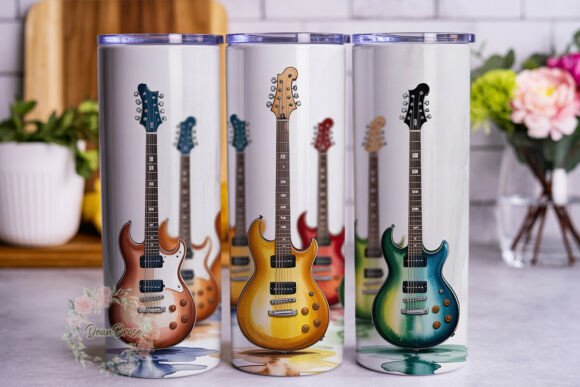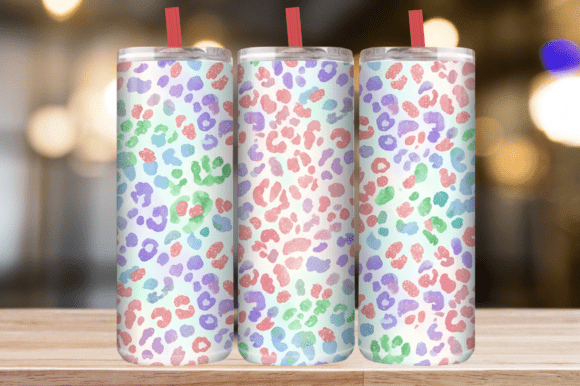
Review: Colorful Watercolor Leopard Tumbler Wrap Design
As a designer who spends more time staring at stitch maps than most people spend on their phones, I approach every new digital embroidery file with a mix of excitement and skepticism. When I first pulled up the Colorful Watercolor Leopard Tumbler Wrap, my initial reaction was one of visual intrigue. The concept of translating a fluid, watercolor aesthetic into the rigid structure of machine stitching is always a gamble. Will it look like a muddy mess of thread, or will it capture that artistic bleed we love in digital art? After mentally walking through a few real-world applications, I have some practical thoughts on how this graphic translates from screen to fabric.
The Visual Personality and First Impressions
The immediate mood this design projects is vibrant and modern. Unlike traditional leopard prints that rely on sharp, high-contrast black spots on a tan background, this iteration leans into a spectrum of colors. It feels less like a jungle print and more like a piece of contemporary art. For an embroidery project, this is both a blessing and a challenge. The "watercolor" effect suggests soft edges and blending tones, which in the world of machine embroidery design, usually means relying heavily on careful stitch density management and strategic color changes.
If you are looking for something safe and traditional, this might feel too bold. However, for a boutique owner trying to stand out in a saturated market, this visual personality is exactly what grabs attention. It screams "custom" rather than "mass-produced." The layout appears designed to wrap around a cylindrical surface, but as an embroiderer, I immediately started thinking about how to flatten that curvature onto a tote bag or a sweatshirt without losing the flow of the spots.
Real-World Application: From Concept to Finished Product
Let's get practical. Imagine you are preparing a custom order for a client who wants a unique personalized gift for a friend who loves bold fashion statements. You decide to use this design on a high-quality canvas tote bag design. Here is where the rubber meets the road. The colorful nature of the leopard spots means you will likely be working with multiple thread colors. In a real production environment, this increases your run time. You aren't just swapping bobbins; you are managing a palette that needs to maintain the watercolor illusion.
I can also see this working beautifully as a statement piece on sweatshirt embroidery. Picture a oversized, neutral-colored crewneck with this vibrant wrap-style graphic centered on the chest. The contrast between the soft fleece fabric texture and the dense stitching of the leopard spots would create a tactile experience that customers love. It elevates a basic garment into a small shop product that commands a higher price point. For an Etsy seller, this kind of distinctiveness is gold. It moves away from the generic fonts and simple shapes that flood the marketplace.
However, we must consider the limitations. While the product title mentions "Tumbler Wraps," applying this directly to a tumbler requires sublimation or a specific vinyl application, not standard embroidery. If you are adapting this Graphics asset for embroidery, you are likely moving it to apparel or home decor. Think pillow covers or aprons. On a kitchen towel, the absorbent linen might struggle with high-density fill stitches, potentially causing puckering if the stabilizer isn't up to the task.
Navigating Technical Challenges
Every designer knows that a pretty picture on a monitor doesn't guarantee a pretty finished product under the needle. With the Colorful Watercolor Leopard Tumbler Wrap, there are specific areas where you need to exercise caution.
- Fabric Selection: Avoid very thin or stretchy fabrics. The weight of the thread required to create those colorful gradients could distort a lightweight tee. Stick to medium-to-heavy weight cottons, denim, or canvas.
- Stitch Density: Watercolor effects often rely on satin stitches or varied fill angles. If the density is too high, the fabric becomes stiff. If it's too low, the backing shows through, ruining the color blend. You must test this on scrap fabric first.
- Small Details: If the design includes tiny, isolated spots to mimic paint splatters, these can be problematic on textured fabrics like towels or pique polo shirts. The needle might punch through existing loops, causing registration issues.
- Curved Surfaces: If you attempt to adapt this for a cap, remember that the front panel is curved. A wide wrap design might distort at the edges. It is better suited for flat hoops.
Building Brand Value and Customer Trust
Using a distinctive design like this does more than just decorate an item; it builds your brand identity. When a customer receives a handmade product featuring such a complex and colorful motif, they perceive higher value. It shows that you, the maker, care about aesthetics and aren't just churning out basic monograms. This level of detail fosters customer trust. They see the effort in the thread work and the thoughtfulness in the design choice.
For those creating printable mockup assets or digital previews for their shops, this design offers excellent visual appeal. The colors pop against white backgrounds and look sophisticated against dark ones. However, always check how the colors translate in black and white previews to ensure the contrast holds up for customers viewing your listings on mobile devices with lower brightness settings.
Final Designer Notes and Recommendations
Before you commit to running this embroidery file on a client's expensive garment, treat it like any new acquisition. Check the licensing terms explicitly. Just because a design is available for purchase doesn't automatically grant unlimited commercial embroidery rights, especially if it incorporates AI-crafted elements as suggested in the description. Ensure you are cleared to sell finished items.
Run a test stitch-out on a similar fabric to your final product. Pay close attention to the transitions between the different thread colors. Are there long jumps that need trimming? Does the underlay provide enough support for the top stitches? If you are using this for holiday embroidery gifts or wedding gifts, there is no room for error. A puckered leopard spot is hard to explain to a paying customer.
In conclusion, the Colorful Watercolor Leopard Tumbler Wrap is a compelling asset for the creative entrepreneur willing to put in the technical legwork. It bridges the gap between digital art trends and tangible textile craft. Whether you are making a baby embroidery item (perhaps a softer, pastel version) or a bold statement jacket, this design has the potential to be a standout piece in your portfolio. Just respect the mechanics of the machine, choose your materials wisely, and let the colors do the talking.