Review: Bunny Easter 20 Oz Tumbler Wrap PNG for Embroidery
As a designer who spends more time staring at stitch previews than I do sleeping, I approach every new digital embroidery file with a mix of excitement and skepticism. When I first pulled up the Bunny Easter 20 Oz Tumbler Wrap PNG, my initial reaction was to pause. The product description clearly states this is a high-resolution printable graphic intended for sublimation or printing on tumblers, not a native vector or stitch file. However, in our line of work, we often need to adapt assets. The question isn't just "can I use this?" but "how does this translate when I try to turn it into a tangible, stitched handmade product?"
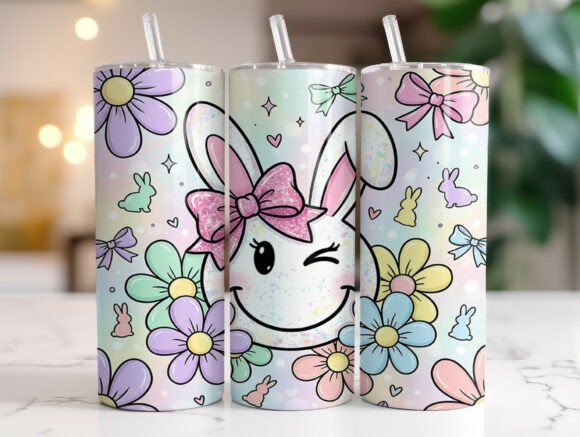
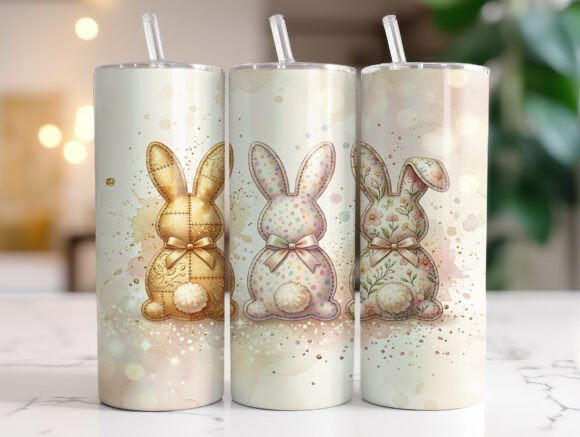
The visual personality of this design is undeniably festive. It captures that soft, whimsical mood essential for spring collections. The layout, sized at 9.3″ x 8.2″, offers a generous canvas. For a tumbler wrap, this is perfect coverage. But for an embroiderer, this scale suggests a large-format project. If you are considering digitizing this graphic yourself or using it as a reference for a custom applique design, the sheer size means you have room to play with texture, but you also risk creating a stitch monster if you aren't careful with your stitch density.
Translating Print Graphics to Stitched Reality
Let's get real about the workflow. You cannot simply load a PNG into your embroidery machine and expect magic. This asset is a raster image. To use the Bunny Easter 20 Oz Tumbler Wrap PNG for actual stitching, you must digitize it first. This is where the rubber meets the road. The clean lines and likely solid color blocks seen in the preview are inviting, but they require strategic planning.
Imagine a scenario where a client commissions a limited run of boutique tote bags for a local Easter egg hunt. They want something more durable than a printed vinyl decal. You decide to use this bunny graphic as the foundation for a large back-panel embroidery. Because the original file is a high-resolution 300 DPI image, your digitizing software should have no trouble tracing the edges for a sharp running stitch outline or a smooth satin stitch border. However, the internal details need scrutiny. If the original graphic relies on subtle gradients, those will vanish in thread unless you creatively use blending techniques or opt for a detailed fill stitch that mimics the print texture.
For small business owners and Etsy sellers, the value here lies in versatility. While marketed under Tumbler Wraps and Graphics, the core artwork is what matters. If you have the skills to convert this PNG into a machine-ready format, you unlock a whole new category of products. We are talking about sweatshirt embroidery for family matching sets, heavy-duty patches for caps, or even plush nursery decor. The "Bunny" theme is evergreen for spring, meaning this design asset can generate revenue well beyond the holiday weekend if executed correctly.
Material Considerations and Fabric Texture
One of the biggest hurdles when adapting a large graphic like this is the fabric texture. A 9-inch wide design is substantial. If you attempt to stitch this onto a thin cotton t-shirt without proper reinforcement, you will face puckering and distortion. The weight of the thread alone can warp the garment. In my experience, a project of this magnitude demands a cut-away stabilizer, especially if the final product is meant to be washed frequently.
Conversely, if you are applying this to a structured item like a canvas tote or a denim jacket, the fabric can handle the weight better. However, you must consider the thread colors. The original PNG likely features pastels—soft pinks, blues, and yellows typical of Easter. These colors can look muddy if the underlying fabric is dark. Always test your design on scrap fabric that matches your final material. A black-and-white mockup of your digitized version can also reveal if your contrast is strong enough before you waste expensive thread.
There are specific areas where caution is required. If the bunny design includes tiny facial features or small text elements (which are common in these wraps), they may not survive the stitching process at a reduced size. If you plan to shrink this design to fit a hoop size standard for hats or baby clothes, you might lose critical detail. In those cases, simplifying the design during the digitizing phase is non-negotiable. Remove unnecessary fill areas and rely on bold outlines to maintain clarity.
Commercial Viability and Brand Consistency
From a business perspective, the Bunny Easter 20 Oz Tumbler Wrap PNG represents an opportunity to expand your catalog without starting from scratch. For craft business owners, time is money. Having a high-quality base graphic allows you to focus on the execution rather than the illustration. Whether you are creating a personalized gift for a neighbor or a batch of inventory for a craft fair, the professionalism of the finished stitch reflects directly on your brand.
Customer trust is built on consistency. If your custom apparel looks sloppy because the stitch density was too high or the stabilizer was insufficient, it hurts your reputation. On the flip side, a crisp, well-executed embroidery of this bunny motif can become a signature piece for your shop. It signals that you pay attention to detail and understand how to adapt digital assets for physical mediums.
However, we must address the licensing elephant in the room. The product description notes this is a digital file for instant download. It does not explicitly state the terms for commercial embroidery use. Before you list a finished embroidered hoodie on your store, you must verify the license. Some creators allow unlimited commercial use for physical goods, while others restrict the file to personal crafting or specific print-on-demand services. Never assume; always check the fine print to avoid legal headaches down the line.
Practical Designer Notes for Execution
If you decide to move forward with turning this graphic into an embroidery project, here is my checklist for success:
- Digitize with Purpose: Do not auto-digitize blindly. Manually assign stitch types. Use satin stitches for borders to give a premium feel and fill stitches for larger areas to ensure durability.
- Test on Scraps: Always run a test stitch-out on the exact fabric you intend to use. Check for registration issues and thread breaks.
- Mind the Hoop: Ensure your machine's hoop capacity can handle the dimensions if you plan to stitch it at full size. You may need to split the design into sections for re-hooping.
- Stabilizer Strategy: For stretchy fabrics like sweatshirts, use a heavy-duty cut-away stabilizer. For woven fabrics like towels, a tear-away might suffice, but test first.
- Color Matching: Match your thread chart to the PNG colors as closely as possible, but be prepared to adjust for the sheen of rayon or polyester threads which differs from matte ink.
- Wash Testing: Wash and dry your sample multiple times to ensure the design holds up without fraying or fading.
In conclusion, while the Bunny Easter 20 Oz Tumbler Wrap PNG is technically a print asset, its value to an experienced designer extends far beyond the tumbler. With the right technical approach, it serves as an excellent foundation for high-end commercial embroidery and unique small shop products. The key is respecting the limitations of the medium and putting in the prep work to ensure the final stitched product honors the charm of the original illustration. Whether you are making a one-off holiday embroidery gift or scaling up for a seasonal collection, this design has the potential to shine if treated with professional care.